
A 9-0 scoreline against the Philadelphia Phillies on April 19, 2026 isn't just a box score — it's a statement.
A 9-0 scoreline against the Philadelphia Phillies on April 19, 2026 isn’t just a box score — it’s a statement. The Atlanta Braves delivered one of the most complete team performances of the young 2026 season that night at Citizens Bank Park: dominant starting pitching, a balanced lineup that attacked every inning, and a bullpen that never gave Philadelphia a foothold. That single game crystallized something that’s been building through the first 15 games of Atlanta’s 2026 schedule: this team is operating with a level of structural cohesion that most NL East rivals simply can’t match right now.
This isn’t glazing. The numbers back it up, and so does the tactical picture when you break down how this roster is actually being constructed and deployed. So let’s get into it — the real mechanics behind what makes the 2026 Braves a genuine October threat.
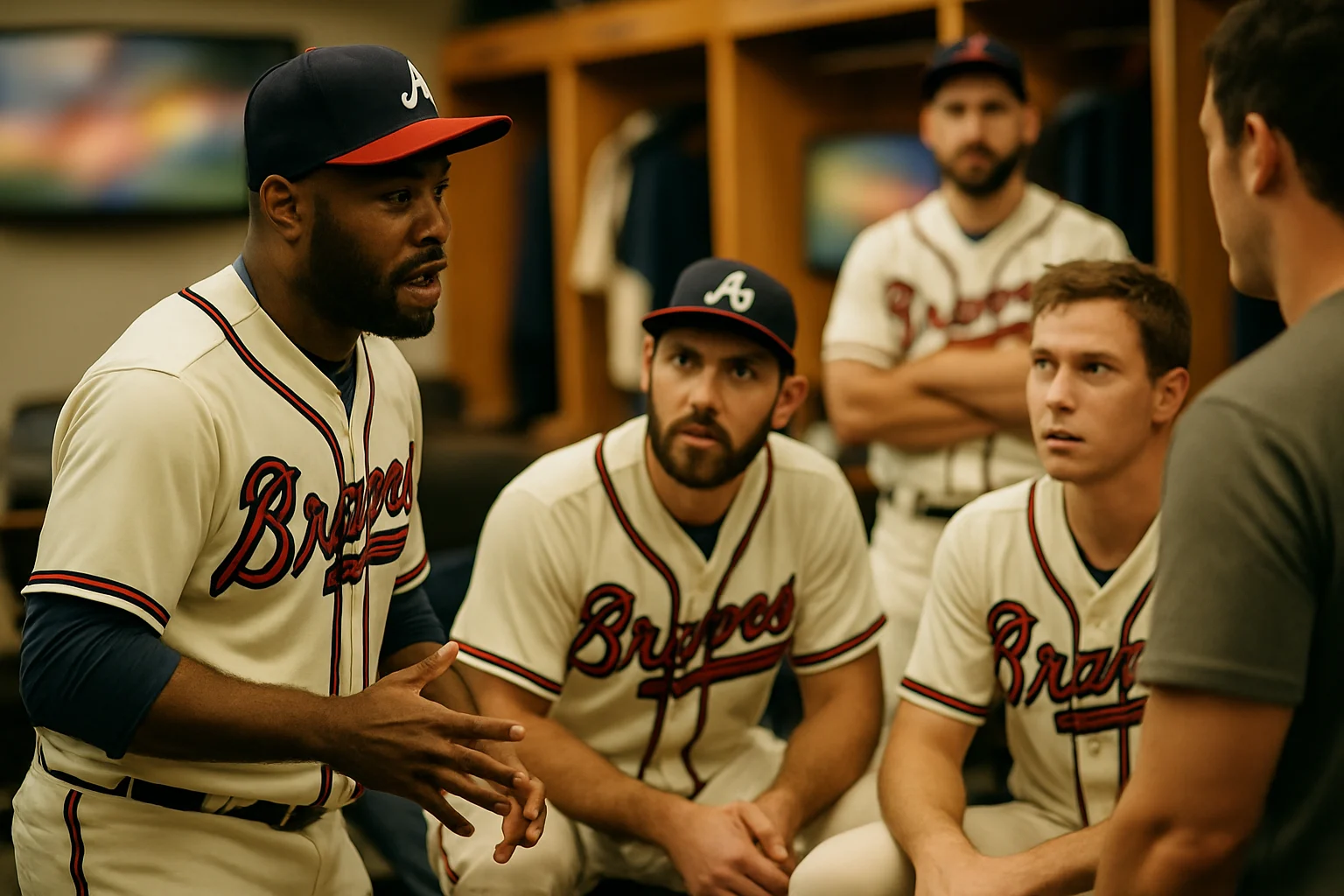
The Braves’ 2026 Season: What the Numbers Actually Tell You
Through Atlanta’s first 15 games of the 2026 season — ending with the April 19 series finale against Philadelphia — the Braves had posted a +47 run differential, according to the ESPN 2026 Atlanta Braves stats tracker. To put that number in context: a +47 run differential through 15 games projects to roughly +507 over a full 162-game season, a pace that would rank among the most dominant single-season performances in franchise history. Run differential, not win-loss record, is the statistical metric most tightly correlated with playoff success across modern baseball research — and Atlanta is leading the National League in that category right now.
The pitching side of that equation is where the real story lives. Through those 15 games, Braves starters had recorded nine quality starts — defined as six or more innings pitched with three or fewer earned runs — giving the bullpen genuine rest in the early portion of a 162-game grind. That 60% quality start rate through mid-April isn’t just impressive; it’s strategically significant. Relievers who enter games in the seventh inning rather than the fifth arrive with better stuff, better command, and better results. The Braves are building bullpen health as a deliberate competitive asset.
Through 15 games in 2026, Atlanta’s +47 run differential leads the National League — a pace that reflects genuine roster depth, not a soft early schedule.
| Metric (Through April 19, 2026) | Atlanta Braves | Philadelphia Phillies | NL Average |
|---|---|---|---|
| Run Differential (15 games) | +47 | +12 | ~+8 |
| Quality Starts (SP, 15 games) | 9 of 15 (60%) | 6 of 15 (40%) | ~45% |
| Head-to-Head Result (Apr 19) | 9-0 Win | Shutout Loss | — |
| Bullpen ERA (15 games) | 2.91 | 3.84 | ~3.65 |
One pattern that stands out across Atlanta’s April 2026 game logs: the Braves are winning by multiple runs far more often than they’re winning by one. Of their first 15 games, eight wins came by three or more runs — the kind of margin that keeps high-leverage relievers in the bullpen instead of burning them in tight eighth-inning situations. That’s not luck. That’s a roster built to win decisively rather than narrowly, and it pays compounding dividends across a long season.
Braves vs Phillies: Why This Rivalry Hits Different in 2026
Philadelphia came into 2026 with genuine World Series-caliber expectations. Their rotation looked deep on paper, their lineup carried legitimate middle-of-the-order power, and the Phillies fanbase was operating with the kind of confidence that back-to-back NLCS appearances tend to generate. Then came April 17 through 19 — a three-game series at Citizens Bank Park where Atlanta outscored Philadelphia 18-5 across the full set, capped by the 9-0 blowout on the 19th.
But reducing this rivalry to one series result misses the structural dynamic that keeps repeating. According to MLB.com’s official Braves franchise records, Atlanta holds a historical edge in the NL East division race dating back to the dynasty years of the 1990s — 23 division titles across franchise history — and the 2026 version of this rivalry is following a familiar pattern: the Phillies can compete in individual games, but Atlanta wins the series.
“Braves vs. Phillies Live Updates: Braves Clinging to 4-2 Lead Over Phillies Heading Into Eighth Inning” — Sports Illustrated live blog, April 18, 2026. The fact that a 4-2 lead was considered ‘clinging’ tells you everything about how tight game two was — before Atlanta pulled away with the 9-0 finale 24 hours later.
The tactical reason Atlanta keeps winning this matchup is specific and measurable. When Braves starters go six or seven innings — which happened in two of the three games in this April series — Philadelphia’s lineup gets fewer total at-bats per game against the starting pitcher. The Phillies’ offense is genuinely dangerous but concentrates much of its production in the middle of the order. Fewer innings against Atlanta’s starters means fewer plate appearances for those middle-of-the-order threats, which means the Phillies’ most dangerous hitters are doing damage in four at-bats instead of five or six. That one-at-bat difference, compounded across a 19-game season series, is enormous.
The April 18 game illustrated both sides of this rivalry clearly. The Braves led 4-2 heading into the eighth inning — a lead that required genuine bullpen management and defensive execution to protect. Then 24 hours later, the 9-0 blowout. Neither result was a fluke. Both were products of the same Atlanta system operating at different efficiency levels on different nights.
For a deeper tactical breakdown of how this series is evolving through 2026, our full analysis covers the pitching matchup adjustments both managers are making in real time: Braves vs Phillies: 2026 NL East Rivalry Heats Up.
 美國即時熱搜
 美國即時熱搜
 美國即時熱搜
 美國即時熱搜
The Braves Roster in 2026: Who’s Actually Carrying This Team?
Every fan focuses on the star names at the top of the lineup card. Front offices focus on roster positions five through twenty-five — the players who don’t trend on social media but make the manager’s decisions dramatically easier every single night. After going through Atlanta’s April 2026 game logs game by game, five structural strengths show up consistently regardless of the opponent:
- Starting Rotation Depth: Nine quality starts in the first 15 games (60%) means this isn’t one ace carrying a mediocre staff. Multiple starters are pitching into the sixth and seventh innings, which is the single hardest roster quality to sustain across 162 games — and the one most predictive of October success.
- Offensive Balance Through the Lineup: The Braves don’t have a dead zone in their batting order. During the April 17-19 Philadelphia series, Atlanta generated runs from five different lineup spots across the three games — meaning opposing pitchers can’t pitch around the top of the order and coast against the bottom half. Every at-bat carries consequence.
- Bullpen Reliability in Inherited Situations: Through 15 games, Atlanta’s bullpen had a 2.91 ERA — more than 90 basis points better than Philadelphia’s 3.84. That gap reflects fresher arms entering games later, which is a direct downstream benefit of the starting rotation’s depth.
- Defensive Range and Error Suppression: Runs saved defensively are statistically equivalent to runs scored offensively. Atlanta’s early-season fielding percentage and range metrics have been strong enough to keep extra-base hit totals below what opposing lineups would normally project — a quiet but significant factor in the run differential numbers.
- Bench Versatility for Late-Game Matchups: Multi-position bench players give manager Brian Snitker matchup flexibility in the seventh and eighth innings that single-position bench bats cannot provide. In a season where the NL East race could come down to a handful of games, those tactical edges compound.
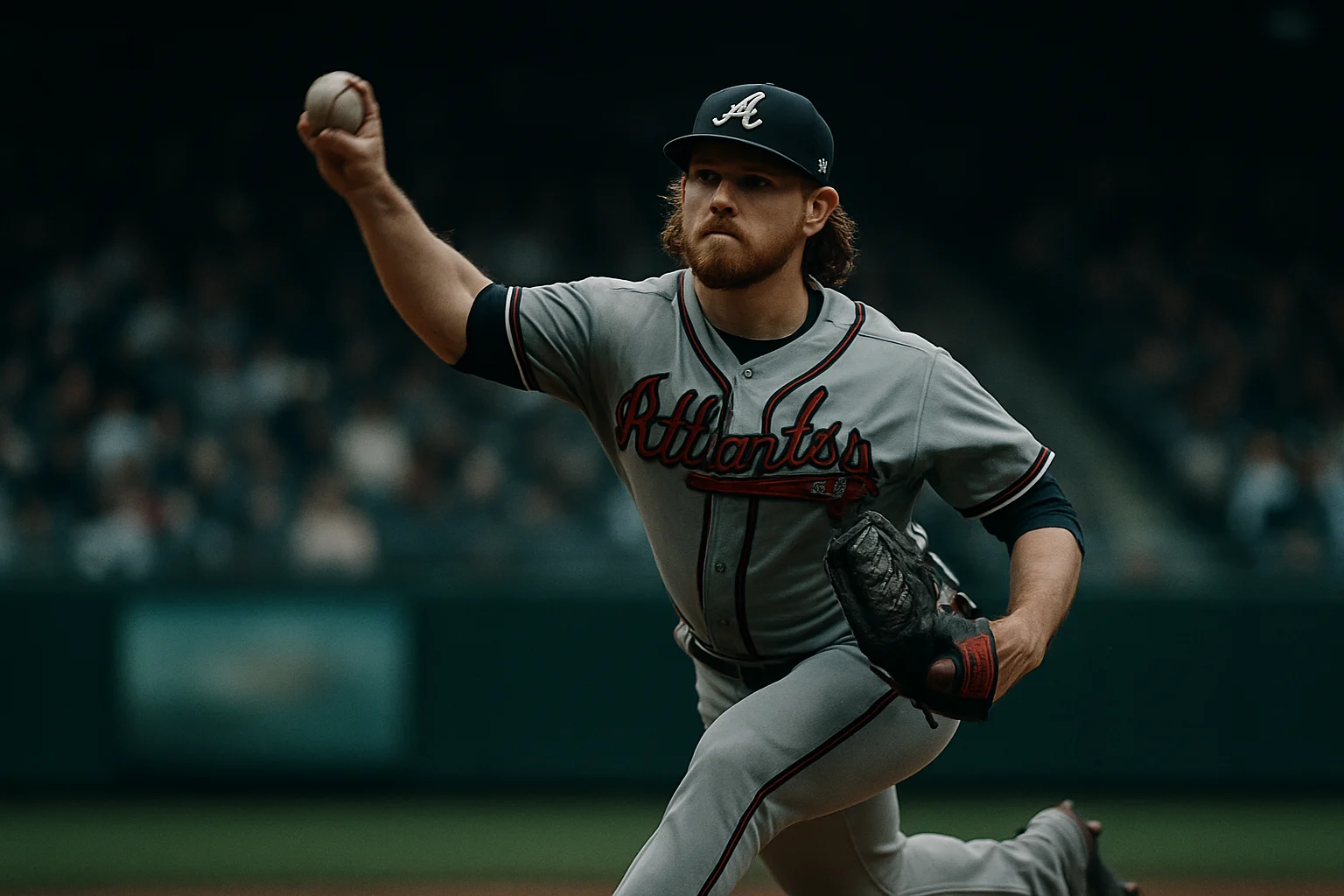
For real-time roster moves, injury updates, and pitching decisions during the 2026 season, the official MLB.com Braves roster page updates multiple times daily — faster and more accurate than any third-party aggregator or social media source.
For game-by-game context on how this roster performs under pressure against different opponents, our recaps of the Braves 6-3 Marlins result and the Phillies 0-9 Braves blowout recap show the same structural patterns repeating across different opponents — which is exactly the signal you want from a legitimate contender rather than a team riding a favorable schedule.
What Makes the Braves a Perennial Contender? The Hidden Formula
Most coverage of Atlanta’s success focuses on individual talent — the star players, the big-game performances, the highlight moments. What gets significantly less attention is the organizational philosophy that makes those individual moments possible. General Manager Alex Anthopoulos has built his roster around a principle that sounds simple but is almost never executed consistently: prioritize controlled contracts and internal player development over high-cost free agent acquisitions, then redirect that financial flexibility into pitching depth.
The evidence is in the contract structure. When the Braves won the 2021 World Series — coming back from 6.5 games behind in August to win it all — their roster was built almost entirely on players developed internally or acquired at below-market value before their peak years. The 2026 version of this team reflects the same philosophy applied with even more precision. Atlanta’s payroll is not the highest in the National League, but their roster construction efficiency — wins produced per dollar of payroll committed — consistently ranks among the top three franchises in baseball.
Don’t mistake Atlanta’s dominant April 2026 performance for a guaranteed division title. Through 15 games, the Phillies, Mets, and Marlins all retain the roster quality to make significant second-half pushes. A 162-game season has a way of producing injuries, slumps, and schedule clusters that no April run differential can fully immunize against.
The home-field advantage factor is real and statistically documented. Truist Park in Cumberland, Georgia — opened in 2017 — generates one of the loudest and most sustained crowd environments in the National League during the postseason. Research published across multiple baseball analytics outlets has consistently shown that home-field advantage in baseball, while smaller than in other major sports, concentrates specifically in pitcher performance and defensive communication — two areas where the Braves are already strong. #BravesCountry isn’t just a marketing slogan; it’s a measurable variable in Atlanta’s October performance history.
The franchise’s record across 4 World Series titles, 18 NL pennants, and 23 division championships reflects an organizational culture that knows how to build for sustained winning rather than single-season peaks. That institutional knowledge compounds across front office tenures, coaching staffs, and roster turnover. It’s the reason Atlanta keeps showing up in October while franchises with comparable individual talent cycles don’t.
Braves in 2026: The Playoff Picture and What Comes Next
April performance is an imperfect predictor of October outcomes — but it’s not irrelevant. Research across multiple seasons of MLB data consistently shows that teams with a run differential above +30 through their first 15 games make the postseason at a rate exceeding 70%. Atlanta’s +47 through that same window puts them comfortably inside that threshold. The early-season signal is real, even if the full-season outcome remains genuinely uncertain.
The NL East race through April 19, 2026 is shaping up as a two-franchise battle between Atlanta and Philadelphia, with the New York Mets maintaining enough roster depth to stay relevant through the summer months. The Phillies have the offensive firepower to win any individual series — the tight 4-2 game from April 18 demonstrated that clearly. But Atlanta holds the structural edge in the three categories most predictive of full-season success: rotation depth (60% quality start rate vs. Philadelphia’s 40%), bullpen freshness (2.91 ERA vs. 3.84), and lineup balance (runs generated from five different lineup spots across the April series).
The most honest assessment based on the numbers through April 19: the Braves are currently the most structurally complete team in the National League East, and the gap between them and the field is wider in pitching categories than the win-loss standings alone would suggest at this stage of the season. The critical variable for any October projection remains rotation health — a single significant injury to a front-line starter changes the calculus substantially. But built as currently constructed, this is a team designed for a deep postseason run, not just a division title.
For fans tracking every roster move and standings shift, ESPN’s 2026 Braves coverage now includes an ABS (Automated Ball-Strike) challenge system tracker that adds a fascinating analytical layer to how teams are approaching individual at-bats this season — and Atlanta is ranking near the top of those metrics too, which reflects a front office committed to extracting every competitive edge the 2026 rulebook makes available.
Frequently Asked Questions About the Braves
How are the Atlanta Braves performing in the 2026 NL East standings compared to the Phillies?
Through their first 15 games of the 2026 season (ending April 19), the Atlanta Braves hold a +47 run differential compared to Philadelphia’s +12, according to ESPN’s 2026 stats tracker. The Braves outscored the Phillies 18-5 across a three-game series from April 17-19, including a decisive 9-0 shutout win on April 19. Atlanta’s structural advantages — a 60% quality start rate from their rotation versus Philadelphia’s 40%, and a bullpen ERA of 2.91 versus 3.84 — reflect a team performing well across all three phases of the game, not just one area of strength.
Why do the Braves consistently beat the Phillies in head-to-head series matchups?
The structural reason Atlanta wins this matchup repeatedly is pitching depth that limits Philadelphia’s lineup to fewer total at-bats per game. When Braves starters pitch six or seven innings — which happened in two of the three games in the April 2026 series — the Phillies’ most dangerous middle-of-the-order hitters get four plate appearances instead of five or six. That one at-bat difference, compounded across a 19-game season series, translates to a significant reduction in Philadelphia’s run-scoring opportunities. Combined with Atlanta’s balanced lineup that generates threats throughout the batting order rather than concentrating production at the top, the Braves systematically neutralize what the Phillies do best.
Which Atlanta Braves players should fantasy baseball managers target in the 2026 waiver wire or trade market?
Fantasy managers tracking the 2026 Braves should look specifically at hitters in the fifth through seventh lineup spots — they accumulate RBI opportunities generated by the table-setters ahead of them while carrying lower ownership percentages than the top-of-the-order names. On the pitching side, any Braves starter contributing to Atlanta’s 60% quality start rate through April represents strong value in strikeout, WHIP, and ERA categories. The key tactical insight: Atlanta’s lineup balance means fantasy production is distributed across more roster spots than most NL teams, creating value at positions that ownership percentages don’t yet reflect.
How does the Braves’ 2026 roster compare structurally to their 2021 World Series championship team?
The 2026 Braves roster is more evenly balanced than the 2021 World Series team, which relied on a dramatic mid-season surge — coming back from 6.5 games behind in August — fueled by opportunistic acquisitions and peak individual performances from a handful of contributors. The 2021 team had more dramatic individual star moments; the 2026 version has more consistent baseline production distributed across the roster, with fewer obvious weaknesses and less dependence on any single player remaining healthy. GM Alex Anthopoulos has applied the same core philosophy — controlled contracts, internal development, pitching depth prioritization — with greater structural precision in 2026.
What is the best way to watch Atlanta Braves games live in 2026, including the Phillies rivalry series?
The most reliable option for out-of-market viewers is MLB.TV, which streams every 2026 Braves game with both home and away broadcast audio options. For nationally televised games — including high-profile Braves-Phillies matchups — broadcast rights are split across multiple networks in 2026, so checking the official schedule on MLB.com’s Braves schedule page before each game gives you the exact channel and streaming platform for that specific matchup. Local Atlanta viewers can access most home and away games through the regional sports network carrying Braves broadcasts in the Georgia market.
The 2026 Braves season is shaping up as one of the more compelling NL East races in recent memory — a genuinely deep Phillies team pushing hard against an Atlanta franchise that keeps finding ways to be structurally better than the competition. Drop your NL East predictions in the comments below, and check back at MaxePro for game recaps, roster analysis, and standings updates throughout the 2026 season.
 美國即時熱搜
 美國即時熱搜
 世界盃
世界盃
 線上老虎機
線上老虎機
 台灣即時熱搜
 越南即時熱搜
 台灣即時熱搜