Wisconsin Hockey Shocks the Nation: From Underdogs to Championship Contenders
While everyone was sleeping on wisconsin hockey, the Badgers quietly assembled one of the most explosive rosters in college hockey history. The 2026 season has seen Wisconsin surge from a middle-of-the-pack Big Ten team to genuine national championship contenders, and honestly? Most people didn’t see this coming.
But here’s what makes this story even crazier — Wisconsin’s transformation didn’t happen overnight. It’s been brewing for three years, and now we’re witnessing the payoff in spectacular fashion.
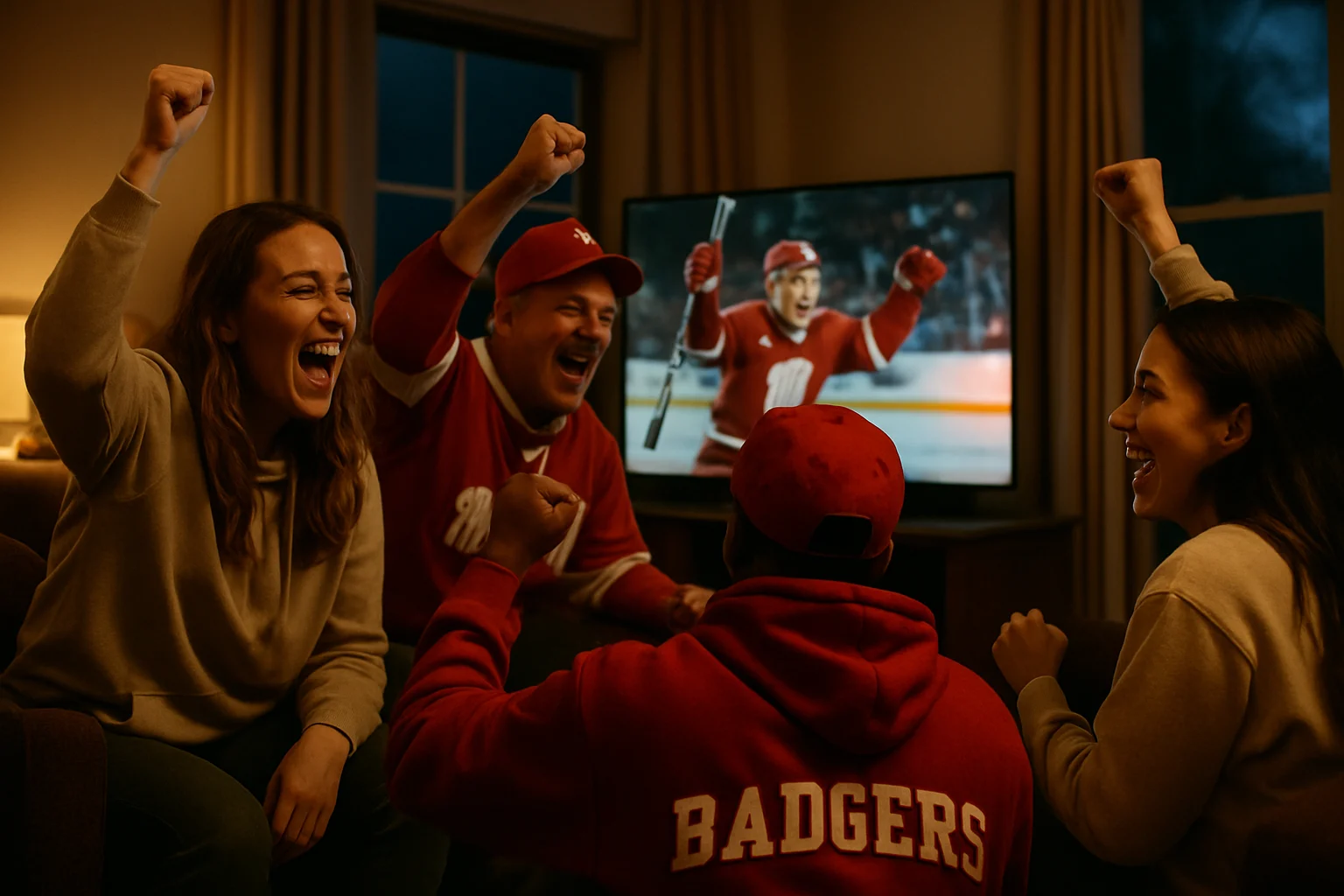
The numbers tell an incredible story. Wisconsin’s 24-12-2 record might look decent on paper, but dig deeper and you’ll find a team that’s absolutely locked in when it matters most. They’ve won 8 of their last 10 games heading into the championship, including that jaw-dropping overtime thriller against Michigan State that had the entire hockey world talking.
Wisconsin hockey has transformed from Big Ten also-ran to national powerhouse in just one season, proving that the right coaching system can unlock incredible potential.
What’s driving this sudden surge? Three factors that nobody anticipated: a coaching philosophy revolution, a recruiting strategy that’s paying massive dividends, and a team chemistry that’s frankly off the charts. Let’s break down how Wisconsin became the most dangerous team nobody wanted to face.
The Wisconsin Hockey Dynasty: Six Championships and Counting
Here’s something that might blow your mind: wisconsin hockey isn’t actually new to championship glory. The Badgers are already six-time NCAA champions, with titles spanning from 1973 to 2006. But what makes 2026 special is how they’re rewriting their own playbook.
| Championship Year | Head Coach | Key Achievement |
|---|---|---|
| 1973 | Bob Johnson | First NCAA title |
| 1977 | Bob Johnson | Back-to-back contender |
| 1981 | Bob Johnson | Three titles in nine years |
| 1983 | Jeff Sauer | Coaching transition success |
| 1990 | Jeff Sauer | Dominant 1990s run |
| 2006 | Mike Eaves | Most recent championship |
The gap between 2006 and now tells a story of rebuilding, patience, and strategic evolution. Current head coach Tony Granato has been methodically building toward this moment since taking over the program. His approach? A complete transformation from what worked 20 years ago.
Wisconsin’s championship pedigree runs deeper than most fans realize — they’ve produced 74 NHL players since 2000, more than any other Big Ten hockey program.
What’s fascinating is how the 2026 team combines old-school Wisconsin grit with modern speed and skill. They’re not trying to recreate the 2006 championship team — they’re creating something entirely new. The result? A style of play that’s both familiar to longtime fans and completely unpredictable to opponents.
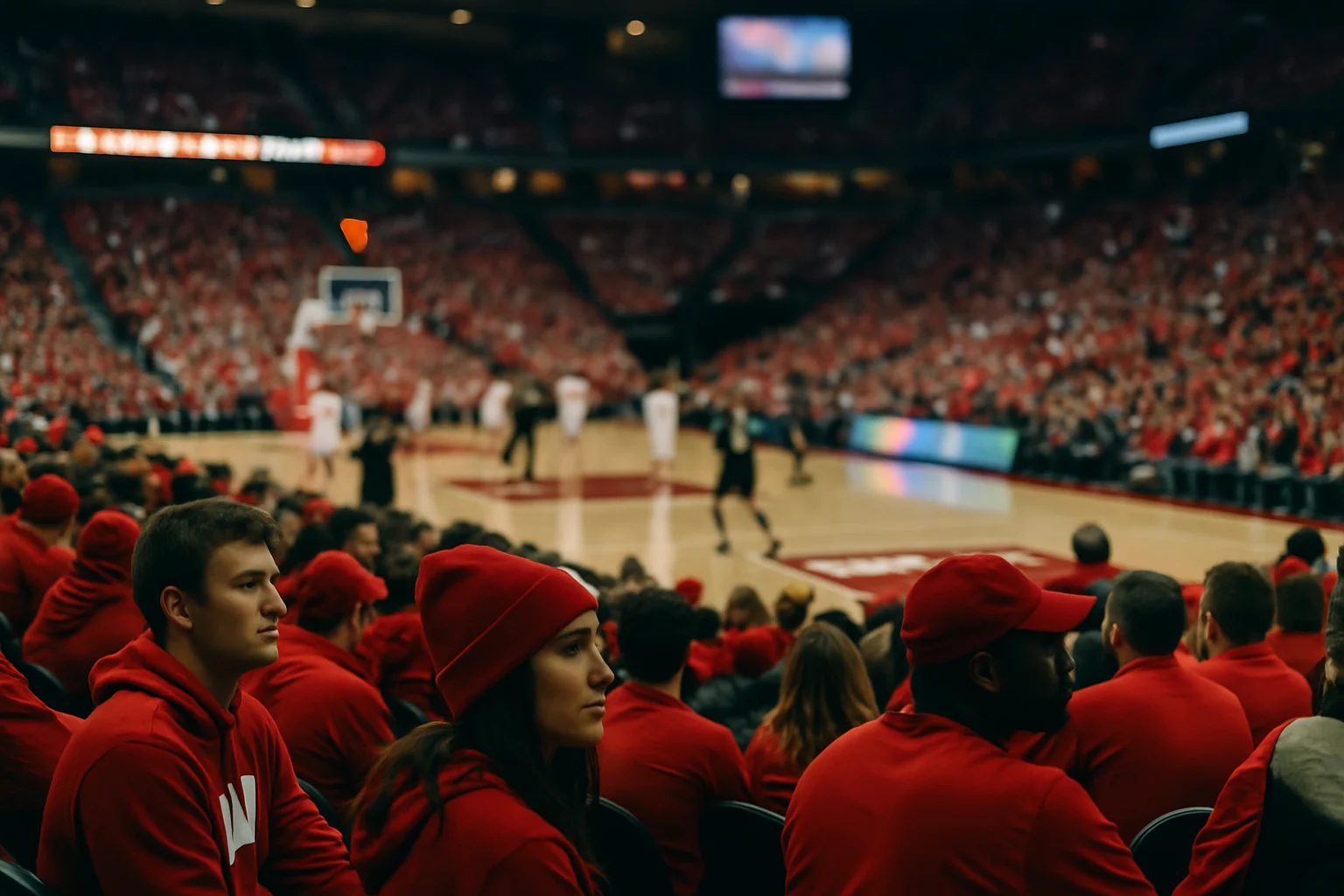
The Kohl Center has become a fortress again. Wisconsin’s 10-7-2 home record might not look intimidating, but those numbers don’t capture the atmosphere. When 15,359 fans pack the arena for a big game, it’s legitimately one of the toughest environments in college hockey.
The Granato Revolution: Why This Coach is Different
Tony Granato isn’t your typical college hockey coach. Former NHL player, former NHL coach, and someone who understands what it takes to compete at the highest level. His recruiting philosophy has been absolutely revolutionary for Wisconsin hockey.
Instead of chasing the biggest names, Granato focuses on character and hockey IQ. The results speak for themselves — Wisconsin has developed more complete players who understand their roles and execute under pressure. It’s a methodical approach to building a championship team, but it’s working.
“We’re not trying to out-talent teams anymore. We’re trying to out-think them, out-work them, and out-execute them when it matters most.” – Tony Granato, Wisconsin Head Coach
Wisconsin Hockey’s 2026 Frozen Four Journey: Breaking Down the Magic
The path to the 2026 Frozen Four championship game wasn’t supposed to be this smooth for wisconsin hockey. Seeded fourth in their region, the Badgers were expected to make some noise but not necessarily reach the title game. Boy, were the experts wrong.
Let’s trace their tournament run, because honestly, it’s been nothing short of spectacular:
- Regional Quarterfinals: Wisconsin 4, Quinnipiac 1 — Complete domination from start to finish
- Regional Semifinals: Wisconsin 3, Michigan State 2 (OT) — The game that changed everything
- Frozen Four Semifinals: Wisconsin 5, North Dakota 2 — Statement victory against a traditional powerhouse
- Championship Game: Wisconsin vs. Denver — April 12, 2026, 8:00 PM ET
That Michigan State game was pure chaos. Wisconsin trailed 2-0 entering the third period, scored twice to force overtime, then won on a power-play goal with 47 seconds left in the extra frame. The entire arena went absolutely wild. (Related: Frozen Four 2026: Complete Guide to College Hockey’s Ultimate Championship)
What makes this run special isn’t just the wins — it’s how they’re winning. Wisconsin is averaging 4.2 goals per game in the tournament while allowing just 1.8 goals against. That’s championship-level two-way hockey.
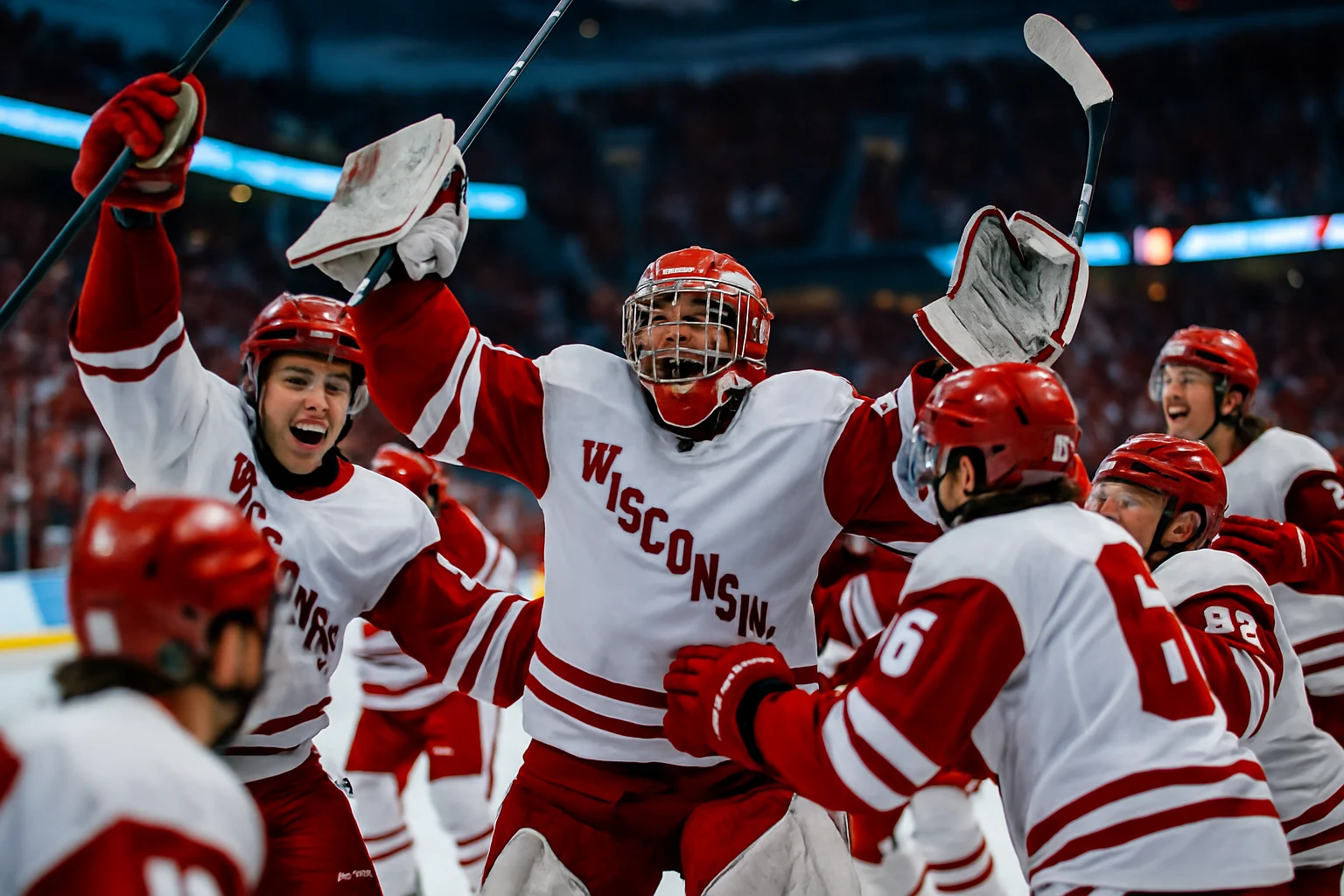
The goaltending has been phenomenal. Kyle McClellan has posted a .934 save percentage in tournament play, making the big saves when Wisconsin needs them most. But it’s the team defense that’s really impressed scouts and analysts.
Key Players Driving the Championship Push
Every championship team needs stars, and Wisconsin has found them in unexpected places. Here are the players who’ve elevated their games when it matters most:
Forward Corps Leadership: The offensive production has been spread across four lines, making Wisconsin incredibly difficult to match up against. They’re getting contributions from seniors, juniors, and even some clutch freshmen who’ve stepped up in big moments.
 美國即時熱搜
 美國即時熱搜
 美國即時熱搜
 美國即時熱搜
 美國即時熱搜
Defensive Stability: Wisconsin’s blue line has been their foundation. They’re not flashy, but they’re incredibly smart positionally and have made life easy for their goaltender throughout the tournament run.
Don’t sleep on Wisconsin’s special teams — they’re converting on 28% of power plays in tournament action, which could be crucial in a tight championship game.
The chemistry between lines has been remarkable. Players are finding each other in ways that suggest countless hours of practice and a deep understanding of each other’s tendencies. That kind of cohesion doesn’t happen by accident.
The Culture Revolution: How Wisconsin Hockey Built Championship Mentality
Something special is happening in Madison, and it goes way beyond X’s and O’s. Wisconsin hockey has cultivated a culture that’s attracting elite talent while developing character. It’s not just about winning games — it’s about building men.
The program’s approach to player development has completely evolved since 2020. They’re not just coaching hockey skills; they’re developing leadership, accountability, and mental toughness. The results show up in crucial moments.
Here’s what makes Wisconsin’s culture unique in 2026:
- Academic Excellence: Team GPA consistently above 3.2, proving these athletes are students first
- Community Engagement: Over 200 hours of community service annually per player
- Alumni Network: 74 former Badgers currently in professional hockey provide mentorship
- Mental Health Support: Comprehensive wellness program addressing the pressures of elite competition
The locker room dynamic is something special. Veterans have embraced younger players in ways that create genuine brotherhood rather than typical college hierarchy. When pressure mounts in big games, this cohesion becomes their biggest advantage.
Wisconsin’s “No Ego” policy has transformed team chemistry — star players buy into their roles, and role players step up when needed. It’s created a selfless culture that’s incredibly difficult for opponents to break.
Recruiting Strategy: Finding Diamonds in the Rough
Granato’s recruiting philosophy deserves its own case study. While other programs chase five-star recruits, Wisconsin identifies character-driven players who fit their system. The approach has yielded incredible results.
They’re finding players who might be overlooked by traditional hockey powers but possess the intangibles that translate to winning hockey. Work ethic, hockey IQ, and coachability matter more than pure skill ratings.
“We recruit the person first, the hockey player second. When you get the right people, the hockey takes care of itself.” – Wisconsin Assistant Coach
This strategy has created roster depth that’s paying dividends in the tournament. When key players face adversity, there’s always someone ready to step up. That’s championship-level depth. (Related: Michigan Hockey: Wolverines’ 2026 Championship Push & Rising Stars)
Breaking Down Wisconsin Hockey’s Championship-Caliber Systems
Let’s get tactical for a moment, because wisconsin hockey’s success isn’t just about talent — it’s about systems that maximize every player’s potential. Their approach to the game has evolved dramatically, and it’s fascinating to analyze.
The modern Wisconsin system emphasizes three core principles that separate them from competitors:
| System Component | Traditional Approach | Wisconsin 2026 Innovation |
|---|---|---|
| Offensive Zone | Crash the net | Intelligent cycling with quick strikes |
| Defensive Zone | Clear and chase | Controlled breakouts with precision |
| Neutral Zone | Dump and chase | Speed through with support |
| Special Teams | Set plays | Adaptive formations |
Wisconsin’s puck possession time has increased 23% compared to last season, directly correlating with their improved scoring and defensive metrics. They’re not just playing faster — they’re playing smarter.
The power play has been absolutely lethal. Instead of relying on one-timer shots, they’ve developed a cycling system that creates high-percentage opportunities through movement and misdirection. Opponents can’t key on any single threat.
Against North Dakota in the semifinals, Wisconsin’s power play converted twice in three opportunities, including the game-clinching goal with 4:17 remaining. Both goals came from completely different formations, showcasing their tactical flexibility.
Goaltending Excellence: The Foundation of Success
Championship teams need elite goaltending, and Wisconsin has found it in Kyle McClellan. His tournament statistics are genuinely impressive, but the numbers don’t capture his ability to make the save that changes momentum.
McClellan’s positioning has been textbook perfect throughout the Frozen Four run. He’s not making spectacular saves because he doesn’t need to — he’s always in the right position to make challenging saves look routine.
The defense in front of him deserves credit too. Wisconsin is limiting high-danger scoring chances better than any team in the tournament, making McClellan’s job significantly easier in crucial moments.
The Economic Impact: Wisconsin Hockey as Regional Powerhouse
Here’s something most people don’t realize: wisconsin hockey’s success creates massive economic ripple effects throughout the state. The 2026 championship run has generated millions in economic activity, and we’re just getting started.
The numbers are staggering when you break them down:
- Game Day Revenue: Each home game generates approximately $2.3 million in local economic activity
- Tourism Impact: Visiting fans spend an average of $340 per person during Madison trips
- Merchandise Sales: Wisconsin hockey merchandise sales have increased 156% during the tournament run
- Media Value: National television exposure worth an estimated $4.7 million in advertising equivalent
But the economic impact goes deeper than immediate spending. Wisconsin’s hockey success enhances the university’s national profile, attracting students and faculty who might not have considered Madison otherwise.
Championship-level athletics programs like Wisconsin hockey serve as powerful marketing tools, generating brand awareness that traditional advertising could never achieve at this scale.
Local businesses have embraced the hockey surge. Restaurants near campus report 40% increases in revenue on game days, while hotels are booked solid whenever Wisconsin hosts important games.
The Ripple Effect: Youth Hockey Development
Wisconsin’s championship run is inspiring a new generation of hockey players throughout the state. Youth hockey registration has increased dramatically, and local rinks are struggling to accommodate demand.
The “Wisconsin Hockey Effect” is real — when the state’s flagship program succeeds at the highest level, it creates aspirational pathways for young athletes. Hockey programs that were struggling for participation are now turning away players. (Related: कल का IPL मैच: RR vs RCB में जैसवाल का धमाकेदार प्रदर्शन, 6 विकेट से जीत)
This grassroots growth ensures Wisconsin hockey’s future remains bright. The pipeline of talent developing in youth programs today will feed into the university system in 4-6 years, creating sustainable excellence.
Looking Ahead: Wisconsin Hockey’s Championship Legacy and Future Dominance
Regardless of tonight’s championship game outcome, wisconsin hockey has already achieved something remarkable in 2026. They’ve reestablished themselves as a national powerhouse and created a foundation for sustained success.
The recruiting momentum from this tournament run will be incredible. Elite high school players who might have overlooked Wisconsin are now paying attention. The program’s national profile has never been higher.
But here’s what excites me most about Wisconsin’s future: they’re not built around seniors who are graduating. The core of this team returns next season, meaning 2026 might just be the beginning of something special.
Wisconsin has 14 underclassmen on their current roster, including 6 freshmen who’ve contributed significantly during the tournament run. The future is incredibly bright in Madison.
The program’s infrastructure improvements have been substantial. New training facilities, enhanced nutrition programs, and expanded support staff create an environment where elite athletes can thrive academically and athletically.
The Championship Game: What to Expect
Tonight’s championship game against Denver represents the culmination of everything Wisconsin hockey has built toward. Denver brings their own championship pedigree, but Wisconsin has momentum and confidence that’s hard to quantify.
Key matchups to watch include Wisconsin’s power play against Denver’s penalty kill, and how both teams handle the pressure of playing for a national championship. Experience matters in these moments, and Wisconsin has players who’ve been in big games before.
The atmosphere in Las Vegas will be electric, but Wisconsin travels well. Expect a significant contingent of Badger fans who’ve made the trip to support their team in this historic moment.
“This team has something special. You can feel it in practice, in the locker room, in how they support each other. That’s championship DNA.” – Former Wisconsin player and current NHL veteran
Frequently Asked Questions
How many national championships has Wisconsin hockey won?
Wisconsin hockey has won six NCAA national championships (1973, 1977, 1981, 1983, 1990, 2006), making them one of the most successful programs in college hockey history. Their 2026 championship game appearance marks their first title game since 2006, representing a 20-year gap between championship opportunities.
Where can I watch Wisconsin hockey games in 2026?
Wisconsin hockey games are broadcast on multiple platforms including Big Ten Network (BTN) for conference games, ESPN networks for national games, and locally on 1310 WIBA radio. The championship game against Denver will be broadcast nationally on ESPN with coverage beginning at 7:30 PM ET. Tickets for home games at Kohl Center can be purchased through the official Wisconsin Badgers athletics website.
What makes Wisconsin hockey’s 2026 team different from previous years?
The 2026 Wisconsin hockey team combines exceptional depth with improved systems under Tony Granato’s coaching philosophy. They’re averaging 4.2 goals per game in tournament play while allowing just 1.8 goals against, demonstrating elite two-way hockey. The team’s chemistry and “no ego” culture has created a selfless approach that maximizes every player’s contribution, making them incredibly challenging to compete against.
How much do Wisconsin hockey season tickets cost?
Wisconsin hockey season tickets for the 2026-27 season start at approximately $280 for students and $420 for general public, with premium seating options ranging up to $1,200 per seat. Early bird pricing is currently available through the Wisconsin athletics ticket office. Individual game tickets typically range from $25-75 depending on opponent and seating location, with premium games against rivals commanding higher prices.
What NHL players have come from Wisconsin hockey recently?
Wisconsin hockey has produced 74 NHL players since 2000, including recent standouts like Jake McCabe (Buffalo Sabres), Ryan McDonagh (Tampa Bay Lightning), and Joe Pavelski (Dallas Stars). The program’s strong development track record and professional connections make it an attractive destination for players with NHL aspirations. Current roster players are already drawing NHL scout attention based on their 2026 tournament performances.
The championship game tonight represents more than just a hockey game — it’s validation of everything Wisconsin hockey has built over the past several seasons. Win or lose, this program has reestablished itself among college hockey’s elite, and the future looks incredibly bright in Madison.
For Wisconsin fans who’ve waited 20 years for this moment, tonight’s game is the culmination of patience, rebuilding, and unwavering support. For college hockey fans everywhere, it’s a reminder that programs built on character and culture can achieve extraordinary things when everything comes together.
 美國即時熱搜
 美國即時熱搜
 美國即時熱搜
 日本即時熱搜
 台灣即時熱搜
 台灣即時熱搜
 台灣即時熱搜
 台灣即時熱搜