
The $280 Million Reckoning: How Ticketmaster’s Empire Finally Cracked
After years of fan outrage and sky-high ticket fees, the ticketmaster lawsuit has finally reached its climax with a jaw-dropping $280 million settlement that could reshape how you buy concert tickets forever. But here’s the kicker — some states are calling this deal “entirely unacceptable” and refusing to sign on.
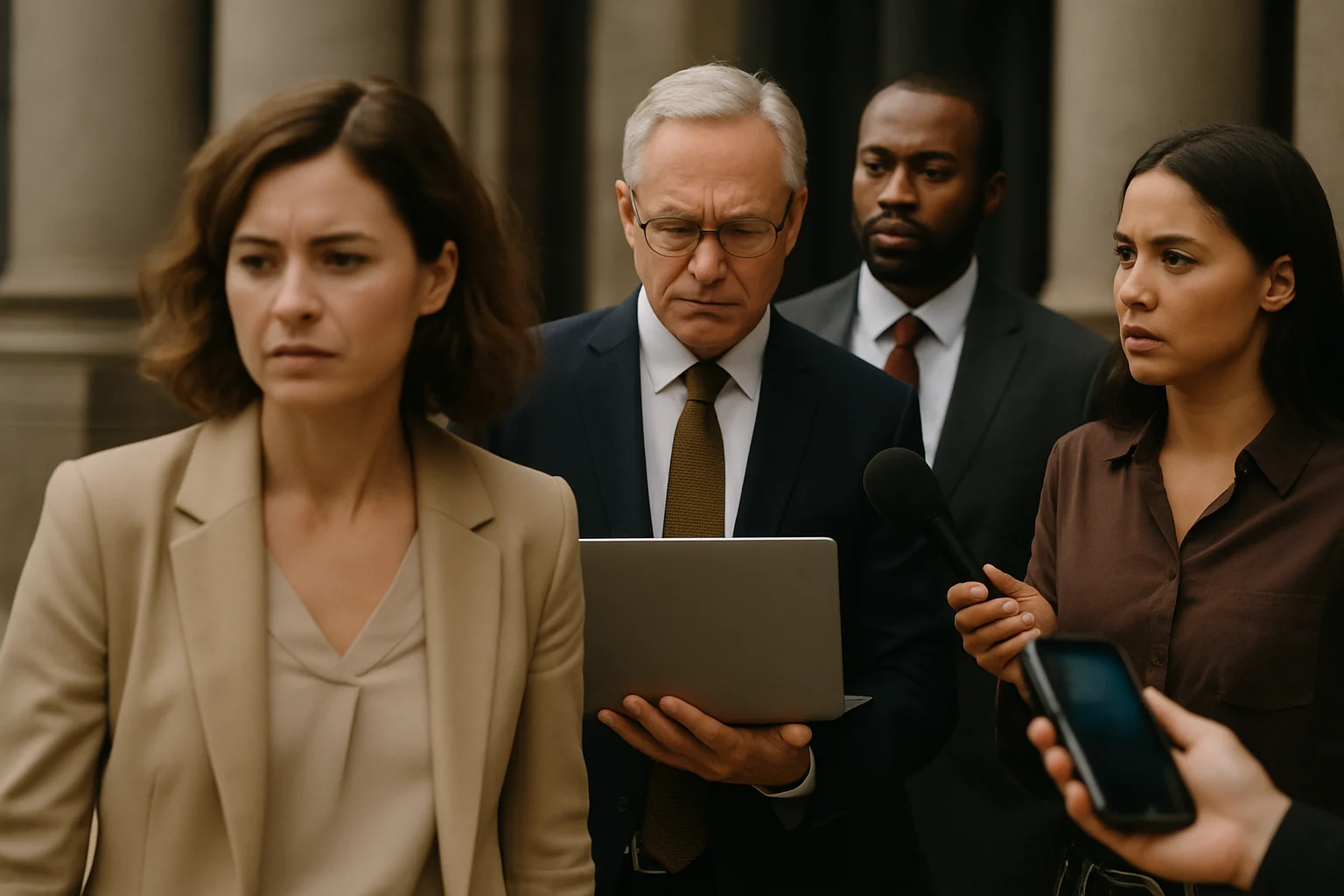
The settlement, announced March 9, 2026, comes after a federal jury found that Live Nation and Ticketmaster operated an illegal monopoly that controlled virtually every aspect of live entertainment in America. From Taylor Swift’s Eras Tour disaster to hidden fees that can add up to 44% of your ticket cost, this case has been brewing since the chaotic ticket sales that left millions of fans empty-handed and furious.
The Justice Department called this a “win-win for everybody,” but critics argue the settlement lets Ticketmaster off too easy compared to the original plan to break up the company entirely.
What Started the Ticketmaster Lawsuit: The Taylor Swift Effect
Remember November 2022? Taylor Swift fans thought they’d scored presale codes for her Eras Tour, only to face website crashes, hours-long queues, and a system that seemed designed to fail. That disaster became the final straw that triggered the Justice Department’s antitrust investigation.
But the problems ran way deeper than one botched ticket sale. The ticketmaster lawsuit revealed a web of anti-competitive practices that had been strangling the live music industry for over a decade:
- Venue exclusivity deals: Live Nation threatened to retaliate against venues that didn’t use Ticketmaster exclusively
- Hidden fee structures: Mandatory fees reaching up to 44% of ticket face value, only revealed at checkout
- Resale manipulation: Ticketmaster allegedly helped brokers acquire tickets illegally, then profited from inflated resale prices
- Artist coercion: Performers faced pressure to use Live Nation’s promotion services or lose access to major venues
Court documents revealed that Ticketmaster earned hundreds of millions from tickets acquired through illegal broker networks, directly contributing to the inflated prices fans pay on secondary markets.
The Federal Trade Commission joined the fight in September 2025, filing a separate lawsuit alleging that Ticketmaster used deceptive pricing tactics that cost consumers billions of dollars in inflated prices and additional fees. This wasn’t just about one company’s bad behavior — it was about an entire industry structure that prioritized profits over fan experience.
The Monopoly Machine: How Live Nation Controlled Everything
To understand why this ticketmaster lawsuit matters, you need to grasp just how massive Live Nation’s empire became. The company doesn’t just sell tickets — it owns venues, promotes tours, manages artists, and controls the entire live music ecosystem.
| Live Nation’s Control Points | Market Share | Impact on Consumers |
|---|---|---|
| Major venue ownership | Over 200 venues | Limited venue choice for artists |
| Concert promotion | 70% of major tours | Restricted competition in booking |
| Ticket sales platform | 80% primary market | No alternative ticketing options |
| Artist management | 500+ artists | Bundled services with limited choice |
This vertical integration meant that if you wanted to see a major artist at a big venue, you had virtually no choice but to go through Ticketmaster’s system — and pay whatever fees they decided to tack on.
Breaking Down the Ticketmaster Lawsuit Settlement Terms
The settlement announced in March 2026 includes several key provisions designed to break up Live Nation’s stranglehold on the industry, though critics argue it doesn’t go far enough:
Financial Penalties and Venue Divestitures
Live Nation will pay $280 million in damages to the nearly 40 states that joined the antitrust lawsuit. Additionally, the company must divest itself of at least 13 amphitheaters across the country, opening up these venues to competing promoters and ticketing services.
“This settlement will bring immediate relief for consumers and protect venues from retaliation when they choose companies other than Live Nation,” said a senior Justice Department official during a press briefing.
Ticketing Process Reforms
Perhaps most importantly for fans, the settlement requires Live Nation to open up its ticketing processes so competitors can share in ticket sales. This means:
- Multiple vendor options: Venues can now use different ticketing companies without fear of retaliation
- Transparent pricing: All fees must be disclosed upfront, not hidden until checkout
- Artist choice: Touring artists can hire other promoters when performing in Live Nation venues
- Competition protection: Venues cannot be punished for choosing non-Ticketmaster services
The settlement includes monitoring provisions to ensure Live Nation actually follows through on these changes, with potential additional penalties for non-compliance.
What the Settlement Doesn’t Include
Here’s where things get controversial. The original Justice Department plan called for breaking up Live Nation entirely — separating Ticketmaster from the concert promotion business. This settlement allows the company to stay intact, which has drawn sharp criticism from consumer advocates and some state attorneys general.
 美國即時熱搜
 美國即時熱搜
 美國即時熱搜
 美國即時熱搜
 美國即時熱搜

State Rebellion: Why Some Officials Call It a “Terrible Deal”
Not everyone’s celebrating this ticketmaster lawsuit resolution. Several states have signaled they won’t join the settlement and plan to continue fighting in court, calling the deal insufficient.
The tension came to a head during the March 9 court hearing, when Judge Arun Subramanian expressed frustration that he’d been kept in the dark about settlement negotiations. The judge called it “entirely unacceptable” that no one informed him of the tentative deal until late Sunday, despite the term sheet being signed the previous Thursday.
New York’s Attorney General office released a statement saying: “This settlement allows Live Nation to maintain its stranglehold on the industry while throwing consumers a few crumbs. We believe fans deserve better.”
The Arguments Against Settlement
Critics of the settlement point to several key weaknesses:
- Structural integrity remains: Live Nation keeps its vertical integration, maintaining control over venues, promotion, and ticketing
- Limited venue divestitures: 13 venues represent a tiny fraction of Live Nation’s portfolio
- Enforcement concerns: Previous consent decrees with Live Nation have been poorly enforced
- Fee reduction uncertainty: The settlement doesn’t guarantee lower ticket prices, just more transparency
Some legal experts argue that without true structural separation, Live Nation will find new ways to maintain its competitive advantages while technically complying with the settlement terms.
How the Ticketmaster Lawsuit Affects Your Concert Experience
So what does this actually mean for you as a concert-goer? The changes should start rolling out over the next 12-18 months, and here’s what you can expect:
Immediate Changes You’ll Notice
Upfront pricing: No more surprise fees at checkout. All costs, including service charges and facility fees, must be displayed from the start of your ticket search.
Alternative ticketing options: Some venues will start offering tickets through competing platforms like SeatGeek, StubHub’s primary market service, or newer entrants like Dice and DICE. (Related: Inter Miami vs NY Red Bulls: मेसी की टीम का Nu Stadium में पहला मैच)
Venue competition: The 13 divested amphitheaters will likely see increased competition among promoters, potentially leading to better fan experiences and pricing.
Don’t expect immediate dramatic price drops. While transparency will improve, the underlying costs of putting on major concerts haven’t changed, and demand for popular shows will still drive prices up.
Longer-Term Industry Changes
The ticketmaster lawsuit settlement could trigger broader shifts in how the live music industry operates:
- New platform competition: Expect to see more ticketing companies enter the market as exclusive deals become harder to enforce
- Artist empowerment: Musicians may have more leverage to negotiate better terms for their fans
- Venue flexibility: Smaller and mid-size venues might experiment with different ticketing and promotion partners
- Technology innovation: Competition could drive improvements in user experience and anti-bot measures

The Broader Impact: What This Means for Live Entertainment
This ticketmaster lawsuit represents more than just a legal victory — it’s a potential turning point for an industry that’s been dominated by a single player for too long. But the real test will be in the implementation.
Industry Reactions and Future Outlook
Competing ticketing companies are already positioning themselves to capitalize on the new opportunities. SeatGeek, which has been trying to break into the primary market for years, announced plans to expand its venue partnerships. Meanwhile, newer platforms like Dice are highlighting their transparent pricing models as the industry standard everyone else will now have to meet.
“This settlement validates what we’ve been saying for years — fans deserve transparent pricing and real choice in how they buy tickets,” said a SeatGeek spokesperson in a recent industry conference.
Artists and their management teams are also watching closely. Many have been frustrated by their lack of control over the fan experience, particularly around pricing and availability. The settlement’s provisions allowing artists to choose their own promoters could lead to more artist-direct sales and innovative ticketing approaches.
The Technology Factor
One often-overlooked aspect of this case is how it might accelerate innovation in ticketing technology. Ticketmaster’s dominance meant there was little incentive to improve user experience or develop better anti-fraud measures. With real competition on the horizon, we might finally see:
- Better mobile experiences: Streamlined apps that don’t crash during high-demand sales
- Improved bot detection: More sophisticated systems to prevent scalpers from buying up inventory
- Dynamic pricing transparency: Clear explanations of why prices change and when
- Fan-first features: Loyalty programs, early access systems, and other perks that prioritize real fans over resellers
The settlement’s monitoring provisions include requirements for Live Nation to report on its compliance with new competitive practices, creating ongoing oversight that previous consent decrees lacked.
What Happens Next: Timeline and Implementation
The ticketmaster lawsuit settlement still needs final court approval, which could take several months. Here’s the expected timeline:
| Timeline | Milestone | Impact on Consumers |
|---|---|---|
| Q2 2026 | Final court approval | Settlement terms become legally binding |
| Q3 2026 | Venue divestitures begin | First alternative ticketing options appear |
| Q4 2026 | Pricing transparency rules take effect | All fees displayed upfront on all platforms |
| 2027 | Full competitive landscape emerges | Multiple ticketing options for major venues |
However, the states that refuse to join the settlement could continue their legal battle, potentially leading to additional penalties or structural changes down the road. This ongoing litigation means the story isn’t over yet.
Monitoring and Enforcement
One of the key lessons from previous antitrust cases is that settlements are only as good as their enforcement. The new agreement includes several mechanisms designed to ensure compliance: (Related: MLB 2026 賽程表完整攻略:洋基巨人史上最早開幕戰,費城全明星賽與觀戰指南)
- Regular reporting requirements: Live Nation must provide detailed reports on its competitive practices
- Independent monitoring: A court-appointed monitor will oversee implementation
- Penalty escalation: Violations could trigger additional fines or structural remedies
- Consumer complaint system: A formal process for reporting anti-competitive behavior
Protecting Yourself as a Concert Fan
While the ticketmaster lawsuit settlement should improve things for consumers, you don’t have to wait for industry changes to protect yourself. Here are some strategies that work right now:
Smart Ticket Buying Strategies
Compare total costs: Even with new transparency rules, always calculate the full price including fees before making any purchase decisions.
Use artist presales wisely: Sign up for artist newsletters and fan clubs, which often offer the best access to fairly-priced tickets before general sales.
Consider venue box offices: Many venues still sell tickets directly without online fees, though you’ll need to visit in person.
Set up price alerts on multiple platforms. As competition increases, you might find the same tickets at different prices across different services.
Know Your Rights
The settlement includes provisions for consumer protection, but you should also know your existing rights:
- Refund policies: Understand the difference between event cancellation and postponement rights
- Transfer restrictions: Know whether your tickets can be resold or transferred if your plans change
- Price guarantee claims: Some credit cards offer price protection for event tickets
- Accessibility accommodations: Venues must provide equal access, and this can’t be used to justify additional fees

Frequently Asked Questions
How much money will consumers get from the ticketmaster lawsuit settlement?
The $280 million settlement will be distributed among the nearly 40 states that joined the lawsuit, but individual consumers won’t receive direct payments. Instead, the money will fund consumer protection programs and potentially support initiatives to increase competition in the ticketing industry. However, consumers should benefit from lower fees and more transparent pricing as competition increases.
Will ticket prices actually go down after the ticketmaster lawsuit?
The settlement doesn’t guarantee lower ticket prices, but it should create more competition that could lead to better deals. The main immediate benefit will be price transparency — you’ll see all fees upfront instead of discovering them at checkout. Over time, as more ticketing companies compete for business, market forces should help control price increases.
Which venues will be affected by the ticketmaster lawsuit settlement?
Live Nation must divest at least 13 amphitheaters across the country, though the specific venues haven’t been announced yet. Additionally, all Live Nation venues will be required to allow artists to choose their own promoters and won’t be able to retaliate against venues that use competing ticketing services. This means you should start seeing more ticketing options at major concert venues within the next year.
Can I still get refunds for past ticketmaster fees after the lawsuit?
The settlement doesn’t include provisions for refunding past fees to individual consumers. However, if you believe you were charged illegal fees in the past, you may still have options through credit card chargebacks or small claims court, depending on your state’s consumer protection laws and the specific circumstances of your purchase.
What should I do if I encounter anti-competitive behavior from ticketmaster after the lawsuit?
The settlement includes a formal consumer complaint system for reporting violations. You can file complaints with your state’s attorney general office or the court-appointed monitor overseeing the settlement. Document any instances where you’re forced to use Ticketmaster despite wanting alternatives, or where venues seem to be retaliating against competitors. These reports will be crucial for ensuring the settlement actually works as intended.
 美國即時熱搜
 美國即時熱搜
 美國即時熱搜
 台灣即時熱搜
 台灣即時熱搜
 台灣即時熱搜
 台灣即時熱搜
 台灣即時熱搜
