
David Allan Coe's 'outlaw' image wasn't just a persona; it was deeply rooted in his extensive personal history of incarceration, providing an unparalleled authenticity to his music that resonated with many.
Just last week, the world of country music paused to mark the passing of one of its most singular and uncompromising figures, **David Allan Coe**. At 86, his death on April 29, 2026, closed a chapter on a life lived fiercely on his own terms, leaving behind a legacy as tangled and captivating as his infamous beard. For decades, Coe wasn’t just a singer; he was a walking, talking, guitar-slinging enigma, a true outlaw who defied Nashville’s polished conventions and carved his own rough-hewn path. Many might know a catchy tune or two, or perhaps a headline about his more contentious moments, but what truly defined **david allan coe** was the raw, unvarnished truth he poured into every lyric, a truth forged in the crucible of a life far removed from the glitz of Music Row.
His passing has sparked a renewed interest in his vast catalogue and the larger-than-life persona he meticulously crafted. But here’s the thing nobody talks about enough: for all the controversy, for all the “outlaw” branding, Coe’s genius lay in his ability to tap into the very soul of working-class America, giving voice to frustrations and desires that mainstream country music often glossed over. It wasn’t just about rebellion for rebellion’s sake; it was a deeply personal, often painful, exploration of freedom, struggle, and the human condition. Understanding **david allan coe** isn’t just about listening to his songs; it’s about peeling back the layers of myth and confronting the man who dared to be truly, unapologetically himself, no matter the cost.
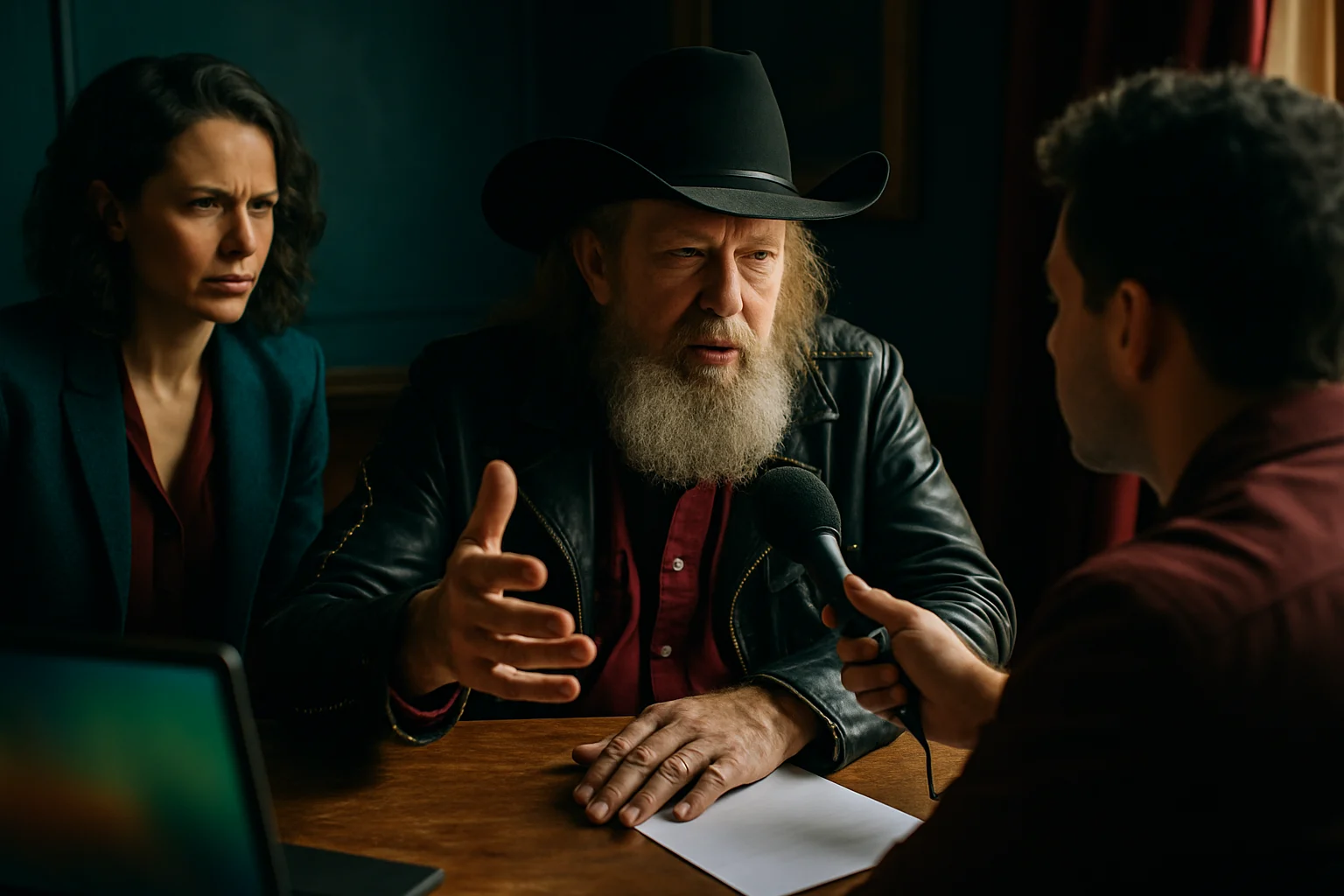
The Unfiltered Legacy of David Allan Coe: From Reform School to Renegade Star
David Allan Coe’s journey into the annals of country music is unlike virtually any other, starting not on a grand stage, but within the stark confines of juvenile reformatories and state prisons. Born in Akron, Ohio, in 1939, Coe’s formative years were a relentless cycle of incarceration, beginning at the tender age of nine. This isn’t just a biographical detail; it’s the bedrock upon which his entire artistic identity was built. Most people assume the “outlaw” label in country music is just a marketing gimmick for artists who drink a bit too much or ride a Harley; but with **david allan coe**, it was a badge earned through genuine, lived experience behind bars, including a three-year stint in the notorious Ohio Penitentiary. This gritty reality imbued his music with an authenticity that few of his contemporaries could genuinely claim, separating him from mere imitators. He wasn’t playing a role; he *was* the role.
It was during these incarcerations that Coe began to hone his songwriting craft, reportedly encouraged by blues legend Screamin’ Jay Hawkins, who he encountered in prison. This connection is one of those unexpected threads that, once pulled, reveals so much about his unique sound – a blend of country storytelling with a bluesy, raw edge that often explored themes of hardship, redemption, and defiance. This fusion was a far cry from the Nashville sound of the 1960s and early 70s, which favoured polished arrangements and often saccharine lyrics. Coe, however, offered something different: a voice for those on the fringes, those who felt society had given them a raw deal. His early albums, like *Penitentiary Blues* (1970), were stark, confessional works that laid bare his troubled past, refusing to sugarcoat his experiences. This unflinching honesty, while alienating to some, was precisely what endeared him to a loyal fanbase who saw their own struggles reflected in his lyrics.
David Allan Coe’s ‘outlaw’ image wasn’t just a persona; it was deeply rooted in his extensive personal history of incarceration, providing an unparalleled authenticity to his music that resonated with many.
The early 1970s saw Coe transition more firmly into country music, though his blues roots never truly left him. He became a significant, albeit controversial, figure in the burgeoning outlaw country movement alongside legends like Willie Nelson and Waylon Jennings. While they pushed against Nashville’s conservative boundaries, Coe shattered them with a sledgehammer. He was the most extreme edge of the outlaw movement, unafraid to tackle taboo subjects, express raw anger, or use language that would make a drill sergeant blush. This approach, though commercially challenging, cemented his status as a genuine iconoclast. His career wasn’t a smooth ride up the charts; it was a rollercoaster of critical acclaim, commercial success, and intense backlash, all fuelled by his relentless pursuit of artistic freedom. And that, dear readers, is why his story continues to fascinate – it’s a masterclass in staying true to oneself, even when the world tells you to change your tune.

The Ballads and the Barbs: Deconstructing the Artistry of David Allan Coe
When we talk about **david allan coe**, it’s impossible to separate the man from his music. His songs were not merely compositions; they were extensions of his tumultuous life, serving as both confessionals and rallying cries. He possessed a rare gift for songwriting, crafting narratives that were simultaneously deeply personal and universally resonant. Take “You Never Even Called Me by My Name,” often cited as “the perfect country and western song.” It’s a poignant lament of unrequited love and recognition, yet delivered with a self-aware wink that only Coe could pull off. This ability to infuse humour and self-deprecation into heartbreak was a hallmark of his genius, allowing listeners to laugh through their tears. It’s why, even today, you’ll find that song on countless jukeboxes across America, connecting with new generations who feel that same sting of being overlooked.
But Coe’s songwriting prowess extended far beyond his own vocal performances. He penned two of country music’s most enduring number-one hits for other artists, a testament to his undeniable skill even when his own image might have hindered mainstream airplay. Tanya Tucker’s soulful rendition of **”Would You Lay With Me (In a Field of Stone)”** became a massive success, showcasing Coe’s ability to write tender, heartfelt ballads. And then there’s Johnny Paycheck’s iconic anthem, **”Take This Job and Shove It.”** This wasn’t just a catchy phrase; it was a primal scream for the working man, a defiant roar against the drudgery and indignity of labour. In 2026, with global economic shifts and the ongoing debate around worker rights and automation, that song feels as relevant and potent as ever. It’s a reminder that Coe wasn’t just writing about his own life; he was tapping into a collective discontent, giving voice to millions who felt trapped in situations they couldn’t escape. That 1977 track, a pure Coe creation, even inspired a film of the same name, cementing its place in popular culture.
| Song Title | Original Performer | Notable Covers/Impact | Theme & Significance |
|---|---|---|---|
| “You Never Even Called Me by My Name” | David Allan Coe | Often called “the perfect country song.” | Humorous yet poignant lament of unrequited recognition; signature track. |
| “Would You Lay With Me (In a Field of Stone)” | Tanya Tucker | Number-one hit for Tanya Tucker. | Tender ballad exploring deep, unconditional love; showcases Coe’s versatility. |
| “Longhaired Redneck” | David Allan Coe | Outlaw anthem, defining his image. | Celebration of his counter-culture identity, challenging Nashville norms. |
| “The Ride” | David Allan Coe | Major hit for Coe, a storytelling masterpiece. | Supernatural tale of a hitchhiker meeting Hank Williams’ ghost; explores musical legacy. |
| “Take This Job and Shove It” | Johnny Paycheck | Number-one hit for Johnny Paycheck, inspired a film. | Working-class anthem of defiance against labour exploitation; enduring cultural impact. |
However, Coe’s artistry was always intertwined with his controversial persona. His unrepentant, confrontational image, often fuelled by his own wild tales of prison exploits – including a disputed claim of killing an inmate – made him a polarizing figure. He challenged the status quo not just with his music, but with his very existence. While this authenticity won him legions of dedicated fans, it also alienated the music industry establishment, often hindering his mainstream success. His willingness to record overtly offensive and racist material, which he later claimed were parodies, remains a deeply troubling aspect of his career, making many, including us at MaxePro 數位娛樂, rightly bristle. This duality is the real kicker: a gifted songwriter capable of profound beauty and raw truth, yet also capable of deeply problematic expressions. It forces us to confront the messy reality that artistry and character are often complex, intertwined, and not always harmonious. It’s a tough pill to swallow, but it’s part of the complete picture of **david allan coe**.
The Controversial Corners of David Allan Coe’s Public Persona
No discussion of **david allan coe** would be complete without acknowledging the darker, more contentious aspects of his public persona. He was a master of self-mythologizing, often blurring the lines between fact and fiction, particularly concerning his prison past. While his early life was undeniably marked by extensive time in correctional facilities, some of his more sensational claims, such as killing a fellow inmate with a mop bucket, were never definitively substantiated and added to his larger-than-life, often intimidating, image. This deliberate cultivation of a dangerous, unpredictable persona was a double-edged sword: it attracted those who admired his defiance and fearlessness, but repelled many others, including those within the music industry who found him too volatile for mainstream endorsement.
 美國即時熱搜
 美國即時熱搜
 美國即時熱搜
 美國即時熱搜
 美國即時熱搜
The most significant and enduring controversy surrounding Coe stems from the explicit and racially charged songs he recorded, particularly on his privately released albums. These tracks, which contained deeply offensive language and themes, caused widespread condemnation and continue to be a stain on his legacy. Coe maintained that these songs were parodies, intended to satirize bigotry rather than endorse it. However, many critics and listeners found this explanation insufficient and the material inexcusable. This aspect of his career undoubtedly contributed to his struggles to gain widespread radio play and mainstream acceptance, despite his undeniable songwriting talent. It’s a stark reminder that even the most “outlaw” of artists must contend with the consequences of their provocations, and that artistic freedom does not absolve one from the responsibility of the messages conveyed. This controversy serves as a crucial point of reflection, demonstrating how an artist’s choices can complicate their legacy, forcing audiences to grapple with complex moral questions long after the music has faded.
While David Allan Coe was a prolific songwriter, his legacy is significantly complicated by the inclusion of highly offensive and racially charged material in some of his private recordings, which remains a source of deep controversy and condemnation. (Related: 密爾瓦基釀酒人 13-1 亞利桑那響尾蛇|MLB賽後戰報(2026-05-01))
The Enduring Echo: David Allan Coe’s Impact on Country Music and Beyond
Even after his passing, the reverberations of **david allan coe** continue to be felt across country music and popular culture. His influence isn’t always overt, but it’s deeply ingrained in the genre’s rebellious spirit. He proved that country music could be raw, gritty, and deeply personal, tackling topics that went beyond lost love and pickup trucks. He expanded the lyrical landscape, paving the way for artists who dared to push boundaries and challenge the Nashville establishment. You see echoes of Coe’s unvarnished honesty in subsequent generations of artists who embrace authenticity over polish, and who aren’t afraid to sing about the less glamorous sides of life. He gave permission, in a way, for country music to be a little bit more dangerous, a little bit more real. This impact is particularly notable in the independent country scene, where artists often prioritize artistic integrity and a direct connection with their audience over commercial appeal.
His songs, particularly those that became hits for others or garnered cult status, have a timeless quality that transcends their original era. “Take This Job and Shove It,” for instance, has become a veritable folk anthem for disgruntled workers worldwide. It’s not just a country song anymore; it’s part of the global lexicon of protest and defiance. This song’s enduring relevance in 2026, amidst a fluctuating global economy and shifting employment landscapes, is a powerful testament to Coe’s ability to tap into universal human frustrations. Similarly, “The Ride,” a ghostly narrative about meeting the spirit of Hank Williams, speaks to the enduring mythology of country music itself, exploring themes of legacy, destiny, and the spiritual connection between artists across generations. These songs aren’t just played; they’re *experienced*, often serving as soundtracks to pivotal moments in people’s lives, from quitting a bad job to contemplating their own place in the world.
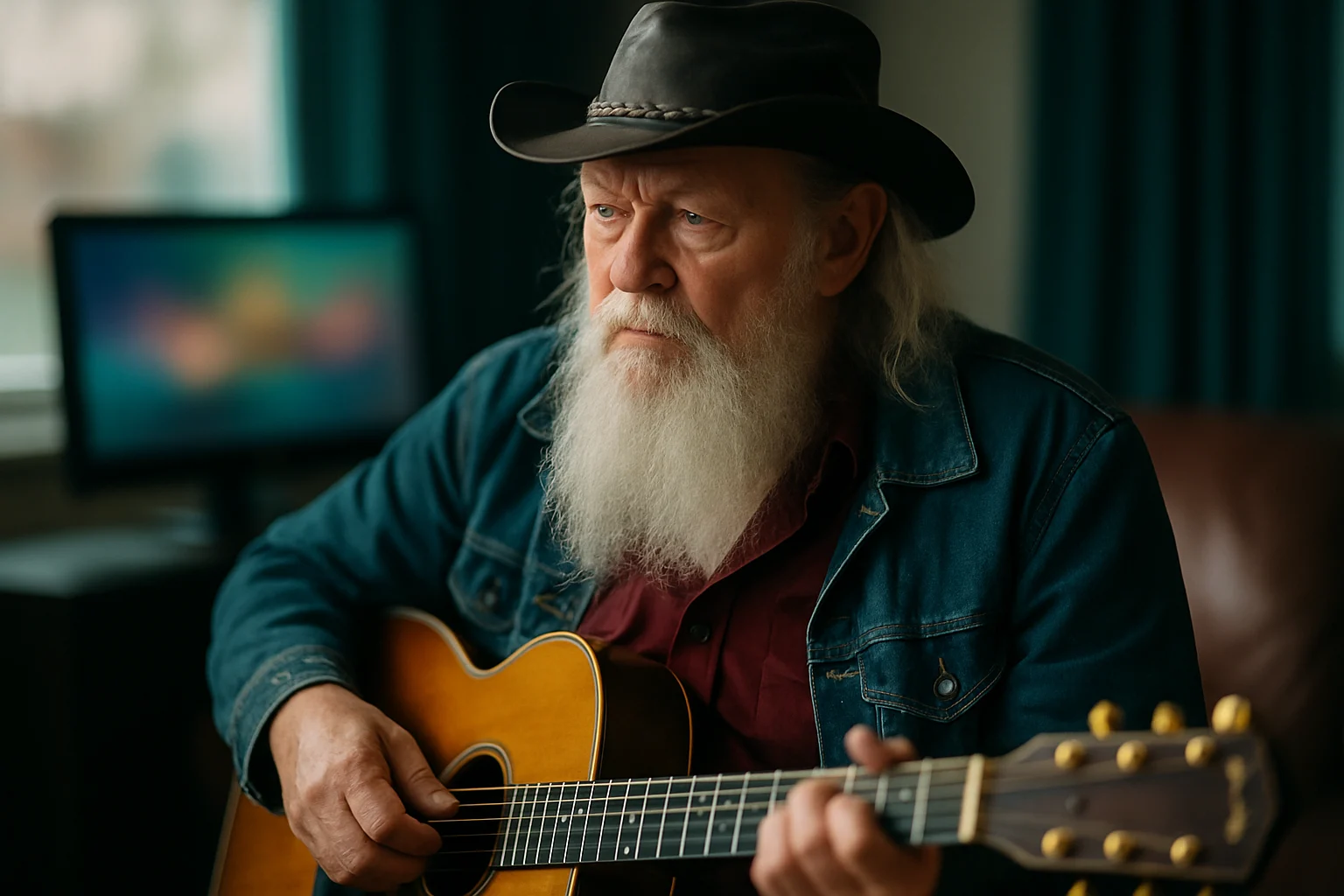
What most people miss about Coe’s enduring appeal is the sheer courage it took to be him. In an industry that thrives on conformity, he was an anomaly, a square peg in a round hole who refused to be sanded down. He navigated a career filled with both adulation and scorn, yet he never seemed to waver from his own artistic vision. This steadfastness, while sometimes leading him down problematic paths, also solidified his legend. He was the artist who wouldn’t be told what to do, what to sing, or how to act. In a world increasingly saturated with manufactured personas, the raw, unfiltered truth of **david allan coe** stands out as a stark, often uncomfortable, but undeniably compelling reminder of what it means to be truly authentic. His story serves as a fascinating case study on the complexities of artistic integrity, commercial viability, and personal accountability in the ever-evolving music industry.
Consider the cultural phenomenon of “Take This Job and Shove It.” Its widespread adoption by labour movements, sports fans, and anyone feeling workplace frustration demonstrates how Coe’s songwriting transcended genre to become a universal expression of rebellion against authority. (Related: Gujarat Titans 158-155 Royal Challengers Bengaluru|印度板球超級聯賽賽後戰報(2026-04-30))
Navigating the Nuances of David Allan Coe’s Cultural Impact
The cultural impact of **david allan coe** is a tapestry woven with threads of admiration, controversy, and enduring influence. On one hand, he is revered as a pioneer of outlaw country, a songwriter of immense talent whose raw honesty resonated with millions. His ability to craft compelling narratives, whether it be the poignant tale in “The Ride” or the defiant anthem “Take This Job and Shove It,” solidified his place as a master storyteller. Many artists, from mainstream country stars to underground independent acts, cite Coe as an influence, admiring his uncompromising approach to music and his refusal to be pigeonholed. He wasn’t just making music; he was making a statement, and that statement echoed loudly through the decades, inspiring others to find their own authentic voice.
On the other hand, the controversies surrounding his more explicit and racially insensitive material continue to cast a long shadow over his legacy. This duality forces a critical examination of how we engage with art created by flawed individuals. Can one appreciate the genius of the songwriter while condemning the problematic aspects of the man? This is a question that society continually grapples with, and Coe’s career provides a particularly stark example. His story serves as a powerful reminder that artists are complex beings, and their contributions to culture are often multifaceted, demanding nuanced interpretation rather than simple adoration or outright dismissal. It’s a conversation that continues to evolve, especially in 2026, as society increasingly re-evaluates historical figures through a contemporary lens. The fact that his name still sparks such passionate debate, both positive and negative, is perhaps the ultimate testament to his undeniable, albeit complicated, cultural impact.
The David Allan Coe Experience: An Unforgettable Outlaw Journey
Stepping into the world of **david allan coe** wasn’t for the faint of heart; it was an experience, a journey into the raw, unvarnished underbelly of country music. From his early days busking on the streets of Nashville to commanding stages across the nation, Coe delivered a performance that was as unpredictable as it was captivating. He wasn’t just singing songs; he was telling stories, sharing his life, and often, challenging his audience. I’ve heard tales from folks who saw him live back in the day, and they’ll tell you it was unlike anything else – a mix of brilliant musicianship, provocative banter, and an undeniable stage presence that left an indelible mark. This wasn’t about perfectly choreographed moves or slick production; it was about genuine connection, however rough around the edges it might have been.
His live shows were legendary for their intensity and Coe’s direct, often confrontational, engagement with the crowd. He cultivated an image that was both intimidating and magnetic, drawing people in with his sheer authenticity. This wasn’t a man who played by the rules, and his concerts reflected that ethos. From his signature long hair and beard to his often unconventional attire, every aspect of his presentation screamed “outlaw.” This consistent branding, even before “personal branding” was a buzzword, helped solidify his unique position in music. It showed that he was in control of his narrative, even when that narrative was messy and controversial. For fans, it was a pilgrimage to witness a true original, a chance to be part of something outside the mainstream. The experience of seeing David Allan Coe perform was less about polished entertainment and more about witnessing a force of nature unleash his unfiltered soul, leaving audiences both thrilled and, at times, a little uncomfortable – precisely what he aimed for.
For those new to David Allan Coe’s music, start with his more widely known tracks like “The Ride” and “You Never Even Called Me by My Name” to grasp his songwriting genius before delving into his more controversial catalogue.
In my experience, exploring the life and work of artists like **david allan coe** offers a profound lesson: true originality, while often challenging, leaves an impact that manufactured trends simply cannot match. His journey reminds us that sometimes, the most compelling stories come from the most unexpected places, and the most authentic voices are those that refuse to be silenced or sanitised. While his controversies are undeniable and must be acknowledged, his contribution to the raw, rebellious spirit of country music and his unparalleled ability to articulate the frustrations of the common person are equally undeniable. As we at MaxePro 數位娛樂 continue to track trending news and explore unique cultural phenomena, Coe’s story stands as a powerful testament to the enduring power of an artist who dared to live and sing his truth, come what may. His passing may mark the end of an era, but the echoes of his outlaw spirit will undoubtedly resonate for generations to come, reminding us that some legends simply refuse to fade away.
Frequently Asked Questions
What made David Allan Coe a significant figure in outlaw country music?
David Allan Coe became a significant figure in outlaw country music primarily due to his authentic prison background, which lent unparalleled credibility to his rebellious image and raw, confessional songwriting. Unlike many who adopted the “outlaw” persona for marketing, Coe’s life experiences, including extensive time in correctional facilities, directly informed his lyrics and uncompromising style. He challenged Nashville’s polished sound with blues-infused country that tackled taboo subjects, giving voice to societal outsiders and earning him a dedicated following who valued his unflinching honesty and defiance of mainstream conventions.
Which David Allan Coe songs achieved mainstream success or were famously covered?
While David Allan Coe’s own chart success was often hindered by his controversial image, several of his songs achieved significant mainstream success, either through his own recordings or through covers by other artists. His own major hits include “The Ride,” a storytelling masterpiece about Hank Williams, and “You Never Even Called Me by My Name,” often considered a quintessential country song. Critically, he penned the number-one hits “Would You Lay With Me (In a Field of Stone)” for Tanya Tucker and the iconic working-class anthem “Take This Job and Shove It” for Johnny Paycheck, showcasing his versatile songwriting talent beyond his personal controversies.
What were the main controversies surrounding David Allan Coe’s career?
The main controversies surrounding David Allan Coe’s career stemmed from his self-mythologizing, particularly sensational claims about his prison exploits, and more significantly, the explicit and racially charged content found in some of his privately released albums. While Coe maintained these offensive songs were parodies, they drew widespread condemnation and significantly alienated him from the mainstream music industry, complicating his legacy. These contentious elements often overshadowed his undeniable songwriting talent and contributed to his polarizing status, forcing a critical re-evaluation of his contributions to country music.
How has David Allan Coe’s musical legacy continued to influence artists in 2026?
David Allan Coe’s musical legacy continues to influence artists in 2026 by championing authenticity and challenging industry norms, particularly within the independent and alternative country scenes. His raw, unfiltered approach to songwriting and performance demonstrated that country music could embrace gritty realism and personal narratives, inspiring subsequent generations to prioritize artistic integrity over commercial polish. Artists today often cite his courage to tackle difficult subjects and his distinctive blend of country and blues as foundational elements that expanded the genre’s boundaries, fostering an environment where diverse and unconventional voices can thrive.
David Allan Coe’s legacy is a testament to the enduring power of authentic, albeit controversial, artistry in country music, continuing to spark debate and inspire new generations.
Ready to dive deeper into the lives
⭐ MaxePro 精選 · 線上娛樂平台




 美國即時熱搜
 美國即時熱搜
 美國即時熱搜
 MLB
MLB
 台灣即時熱搜
 中國即時熱搜

 台灣即時熱搜